
Fibroid Treatment Options: Finding the Right Path for You

June 26, 2026

Summary: Women with uterine fibroids have several treatment options, including hormonal medications, surgical procedures like myomectomy and hysterectomy, and minimally invasive options like Uterine Fibroid Embolization (UFE). While medications only manage symptoms temporarily and surgery carries significant recovery time and risk, UFE offers the best combination of lasting relief, uterus preservation, and minimal downtime. At Murfreesboro Vascular, UFE is our specialty and our recommended first-line procedure for most women with symptomatic fibroids.


Uterine fibroids are incredibly common, yet the journey to finding relief is unique for every woman. If you have been diagnosed with these benign tumors, you likely already know how disruptive the symptoms can be. Heavy menstrual bleeding, pelvic pain, pressure, and abdominal bloating can take a significant toll on your daily life. The good news is that living with these symptoms is not your only choice. Today, there is a wide array of
fibroid treatment options available, ranging from medical management to advanced minimally invasive procedures and traditional surgeries.


At
Murfreesboro Vascular, our goal is to empower you with the knowledge you need to make an informed decision about your health. We believe that understanding your choices is the first step toward reclaiming your comfort and quality of life. Of all the options available, Uterine Fibroid Embolization (UFE) stands out as the most effective, least invasive, and fastest-recovering solution for the majority of women with symptomatic fibroids.


Medical Management: Temporary Symptom Relief

For some women, the initial approach to managing fibroid symptoms involves medication. While medications cannot permanently eliminate fibroids, they can help control symptoms like heavy bleeding and pain in the short term.


Hormonal Birth Control

Hormonal contraceptives, including birth control pills and progestin-releasing IUDs, can help regulate the menstrual cycle and reduce heavy bleeding. However, these methods only mask the symptoms and do not address the underlying fibroids. Once medication is stopped, symptoms typically return. For women seeking a lasting solution, medical management alone is rarely sufficient.


GnRH Agonists

Gonadotropin-releasing hormone (GnRH) agonists temporarily suppress estrogen production, causing fibroids to shrink and menstruation to stop. While this can provide short-term relief, the side effects, including hot flashes and bone density loss, make them unsuitable for long-term use. These medications are most commonly used to prepare a patient for a procedure rather than as a standalone treatment. They do not offer the permanent, durable relief that a procedure like UFE can provide.


Surgical Options: Effective but Invasive

When medical management falls short, many patients are told their only remaining options are surgery. While surgical procedures can be effective, they come with significant drawbacks in terms of recovery time, risk, and impact on the body.


Myomectomy

A myomectomy removes individual fibroids while preserving the uterus. It is often presented as a fertility-preserving surgical option. However, it is still a major surgical procedure that requires general anesthesia and carries risks including significant blood loss, scarring, and a recovery period of four to six weeks. Critically, myomectomy does not prevent new fibroids from forming, meaning many women require additional procedures down the road. For women who want lasting relief without the risks of open surgery, UFE is a far less invasive alternative that also preserves the uterus.


Hysterectomy

A hysterectomy, the surgical removal of the entire uterus, is the only treatment that guarantees fibroids will not return. However, it permanently ends the ability to carry a child and requires a recovery period of six to eight weeks. It is a major operation with all the associated surgical risks. For the vast majority of women, this level of intervention is simply not necessary. UFE achieves comparable symptom relief for most patients without removing the uterus or requiring such an extensive recovery.


Why UFE Is the Best Fibroid Treatment Option

Uterine Fibroid Embolization is widely regarded by interventional radiologists as the gold standard minimally invasive fibroid treatment option for symptomatic women who want to avoid surgery. At Murfreesboro Vascular, UFE is our specialty, and we have seen firsthand the life-changing relief it provides.


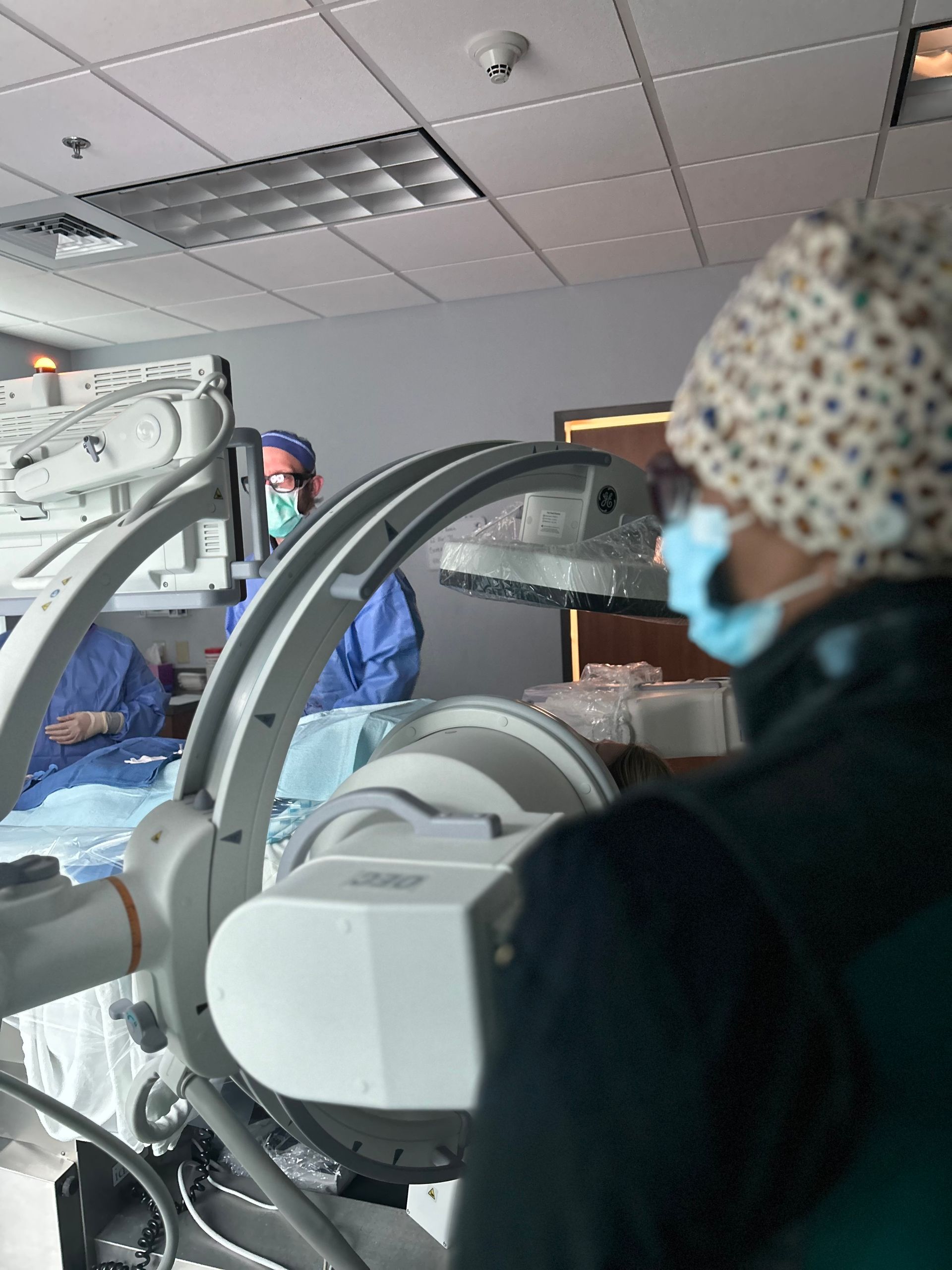
During UFE, a board-certified interventional radiologist makes a tiny incision in the wrist or groin and guides a thin catheter to the uterine arteries supplying blood to the fibroids. Small particles are injected to block that blood flow, causing the fibroids to shrink and die over time. The entire procedure typically takes under an hour, and most patients go home the same day or after a single overnight stay.


The advantages of UFE over other fibroid treatment options are clear:

  • Uterus preservation: Unlike a hysterectomy, UFE keeps your uterus fully intact.
  • Minimal recovery time: Most women return to normal activities within one to two weeks, compared to four to eight weeks for surgery.
  • No general anesthesia required: UFE is performed under conscious sedation, reducing the risks associated with general anesthesia.
  • Treats all fibroids at once: Unlike myomectomy, which removes fibroids one at a time, UFE treats all fibroids in the uterus simultaneously.
  • Durable results: Clinical studies show that UFE provides long-term symptom relief for the majority of patients.

Choosing the Right Fibroid Treatment

Every woman's situation is different, and the right treatment depends on the severity of your symptoms, the size and location of your fibroids, and your personal health goals. However, for most women with symptomatic fibroids, UFE offers the best combination of effectiveness, safety, and recovery. It addresses the root cause rather than simply managing symptoms, and it does so without the physical and emotional burden of major surgery.


At
Murfreesboro Vascular, we will work closely with you to evaluate your condition and determine whether you are a candidate for UFE. Our team of board-certified interventional radiologists is dedicated to providing you with expert, personalized care in a comfortable, outpatient setting.


If you are ready to explore your fibroid treatment options and learn more about how UFE can help you, we encourage you to schedule a consultation with our team. Visit our
uterine fibroid treatment page to learn more. Relief is possible, and we are here to help you find it.

By OBL Marketing May 13, 2026
Benign prostatic hyperplasia, commonly known as an enlarged prostate, is a condition that affects a significant portion of the male population as they age. In fact, research published in the Journal of Clinical Medicine indicates that BPH symptoms affect approximately 80 percent of men by 70 years of age. As the prostate gland grows, it can constrict the urethra, leading to uncomfortable and sometimes debilitating lower urinary tract symptoms. These symptoms can include increased urinary frequency, urgency, a weak stream, and the feeling of incomplete bladder emptying. For many years, the standard approach to treating an enlarged prostate that did not respond to medication was surgery, specifically a procedure known as transurethral resection of the prostate (TURP). While TURP is effective, it is a major surgery that requires general anesthesia, a hospital stay, and a lengthy recovery period. Today, we offer a modern, minimally invasive alternative called Prostate Artery Embolization (PAE). This innovative procedure provides significant relief from BPH symptoms without the need for traditional surgery. Understanding Prostate Artery Embolization Prostate Artery Embolization is a cutting edge, minimally invasive procedure performed by our highly trained interventional radiologists. Instead of cutting away prostate tissue through the urethra, PAE tackles the problem by reducing the blood supply to the prostate gland itself. During the procedure, our interventional radiologist makes a tiny pinhole puncture in the artery of the wrist or groin. Using advanced imaging guidance, a small, flexible tube called a catheter is carefully navigated through the blood vessels until it reaches the specific arteries that supply blood to the prostate. Once the catheter is in the correct position, we inject tiny, round microspheres into these blood vessels. These particles block the blood flow to the prostate tissue. By restricting the blood supply, the prostate gland is essentially starved of the nutrients it needs to maintain its enlarged size. Over the days and weeks following the procedure, the prostate begins to shrink and soften. As the gland decreases in size, the pressure on the urethra is relieved, allowing urine to flow more freely and significantly improving lower urinary tract symptoms. The Benefits of Choosing PAE When considering treatments for an enlarged prostate, it is important to weigh the benefits of each option. PAE offers several distinct advantages over traditional surgical methods, making it an appealing choice for many men. First and foremost, PAE is a minimally invasive outpatient procedure. This means there is no need for a hospital stay. Patients can typically return home the very same day. Furthermore, the procedure does not require general anesthesia, which eliminates the risks and grogginess associated with being put to sleep. Instead, patients receive moderate sedation to keep them comfortable and relaxed throughout the process. Another major benefit of PAE is the significantly reduced risk of sexual side effects. Traditional surgeries like TURP carry a known risk of causing retrograde ejaculation or erectile dysfunction. Because PAE does not involve cutting or removing tissue near the nerves responsible for sexual function, the risk of these side effects is remarkably low. A study in the International Journal of Clinical Practice reported promising results for PAE in preserving antegrade ejaculation and erectile function. This makes PAE an excellent option for men who wish to preserve their sexual health while effectively treating their BPH symptoms. Additionally, the recovery time for PAE is much faster than that of traditional surgery. Most men can resume their normal, light activities within a few days to a week, compared to the several weeks of recovery often required after a TURP procedure. PAE vs TURP: A Treatment Comparison When exploring options for enlarged prostate treatment, it is natural to compare the newer PAE procedure with the long standing gold standard, TURP. Both procedures aim to relieve the symptoms of BPH, but they go about it in very different ways. TURP involves inserting a surgical instrument through the urethra to physically cut away and remove the excess prostate tissue that is blocking urine flow. It is a highly effective procedure with a long track record of success. However, as a more invasive surgery, it requires general or spinal anesthesia and usually involves a hospital stay of one to three days. The recovery period can take anywhere from two to six weeks, during which patients may experience bleeding and discomfort. Furthermore, TURP carries a higher risk of complications, including urinary incontinence and sexual dysfunction. In fact, research shows the reported incidence of retrograde ejaculation after TURP is 50 to 70 percent. In contrast, PAE is performed entirely through the blood vessels, leaving the urethra untouched. There is no cutting, no tissue removal, and no need for a catheter to be left in the penis during recovery. The procedure is performed under conscious sedation, and patients go home the same day. While TURP may offer slightly more immediate relief of symptoms due to the physical removal of tissue, PAE provides a gradual but significant improvement as the prostate shrinks over time. A randomized controlled trial published in The BMJ concluded that PAE is associated with fewer complications than TURP. Furthermore, clinical studies have shown that PAE has a high success rate, with clinical success achieved in 93 percent of patients at 3 months. Ultimately, the choice between PAE and TURP depends on the individual patient's medical history, the size of their prostate, and their personal preferences regarding recovery time and potential side effects. Our team of specialists is dedicated to helping each patient make an informed decision that best suits their unique needs. What to Expect During Recovery Recovery from Prostate Artery Embolization is generally smooth and straightforward. Because it is an outpatient procedure, you will be able to recover in the comfort of your own home. In the days immediately following the procedure, it is common to experience what is known as "post PAE syndrome." This can include mild symptoms such as nausea, a low grade fever, pelvic discomfort, or frequent and sometimes painful urination. These symptoms are a normal part of the healing process and typically resolve on their own within a few days. We will provide you with specific instructions and medications to help manage any discomfort. We advise our patients to take it easy for the first few days after the procedure. You should avoid heavy lifting, strenuous exercise, and any activities that put undue stress on the puncture site in your wrist or groin. Most men find that they can return to work and resume their normal daily routines within a week. As the weeks progress, you will begin to notice a gradual improvement in your urinary symptoms. The prostate will continue to shrink, and the pressure on your urethra will lessen. We will schedule follow up appointments to monitor your progress and ensure that you are achieving the desired results. Is PAE Right for You? If you are experiencing the frustrating symptoms of an enlarged prostate and are looking for a treatment option that avoids the risks and lengthy recovery of traditional surgery, Prostate Artery Embolization may be the ideal solution. It is particularly well suited for men who have very large prostates, those who are not good candidates for surgery due to other health conditions, or those who simply prefer a less invasive approach. At Murfreesboro Vascular and Interventional, our board certified interventional radiologists have extensive experience in performing PAE. We are committed to providing our patients with the highest quality of care using the most advanced, minimally invasive techniques available. To determine if you are a candidate for PAE, we will conduct a comprehensive evaluation, which may include a review of your medical history, a physical exam, and imaging studies such as an ultrasound or MRI of the prostate. We will take the time to discuss your symptoms, answer all of your questions, and help you decide if PAE is the right path forward for you. Do not let an enlarged prostate control your life any longer. Contact us today to schedule a consultation and learn more about how Prostate Artery Embolization in Nashville can help you find relief and get back to enjoying your life.
By OBL Marketing April 30, 2026
Explore the differences between Uterine Fibroid Embolization and hysterectomy. Learn about recovery times, effectiveness, and non surgical fibroid treatments.
By Brett Donegan May 2, 2025
Prioritizing Vascular Health for Women
By Brett Donegan April 9, 2025
Consider Genicular Artery Embolization Before Knee Replacement
By Brett Donegan March 7, 2025
A Modern Solution for Women’s Health
By Brett Donegan February 18, 2025
Peripheral Artery Disease (PAD): What You Need to Know
By Brett Donegan January 3, 2025
Why Modern Treatments Like VenaSeal and RFA Have Replaced Vein Stripping
By Brett Donegan December 20, 2024
Enhancing Patient Care and Convenience
By Brett Donegan December 13, 2024
Managing Compression Fractures with Kyphoplasty: A Quick, In-Office Solution
By Brett Donegan December 6, 2024
Understanding Cosmetic Vein Procedures: Sclerotherapy for Leg Veins