
Uterine Fibroid Embolization (UFE) vs Hysterectomy
Uterine Fibroid Embolization (UFE) vs Hysterectomy
When faced with a diagnosis of symptomatic uterine fibroids, understanding your treatment options is the most important step toward finding relief. For decades, surgery was the primary recommendation for women experiencing heavy bleeding, pelvic pain, and pressure caused by these benign tumors. Today, medical advancements have introduced highly effective, minimally invasive alternatives.
At Murfreesboro Vascular & Interventional, we believe in empowering our patients with comprehensive information. The decision between Uterine Fibroid Embolization and a traditional hysterectomy is significant. Both approaches aim to resolve fibroid symptoms, but they do so in fundamentally different ways, with distinct implications for your recovery, hospital stay, and long term health.
Understanding Uterine Fibroids and Treatment Choices
Uterine fibroids are incredibly common. Extensive epidemiological research indicates that up to 70 to 80 percent of women will develop these noncancerous growths in their uterus by the age of fifty. While many women never experience symptoms, others face severe disruptions to their daily lives, including heavy menstrual bleeding, severe cramping, frequent urination, and pain during intercourse.
When symptoms become unmanageable, medical intervention becomes necessary. Historically, the default solution was the surgical removal of the uterus. However, as medical technology has evolved, so has our approach to treating fibroids. The focus has shifted toward preserving the uterus whenever possible and minimizing the physical trauma associated with major surgery. This shift has brought minimally invasive procedures like Uterine Fibroid Embolization to the forefront of modern fibroid care.
What is a Hysterectomy?
A hysterectomy is a major surgical procedure that involves the complete removal of the uterus. Depending on the specific medical circumstances, the surgeon may also remove the cervix, ovaries, and fallopian tubes. Because the uterus is entirely removed, a hysterectomy provides a definitive cure for uterine fibroids; they cannot grow back.
However, this permanence comes with significant physical and emotional considerations. A hysterectomy requires general anesthesia and is typically performed in a hospital setting. The surgery involves incisions in the abdomen or vagina, leading to a substantial recovery period. Furthermore, the removal of the uterus means the permanent end of fertility and the cessation of menstrual periods. For women who have not yet reached menopause, the removal of the ovaries during a hysterectomy will induce immediate surgical menopause.
What is Uterine Fibroid Embolization?
Uterine Fibroid Embolization, often referred to as UFE, is a minimally invasive, non surgical treatment designed to shrink fibroids and alleviate their associated symptoms while leaving the uterus intact. In August 2008, the American College of Obstetricians and Gynecologists endorsed UFE as a safe and effective treatment option for appropriately selected women with uterine fibroids.
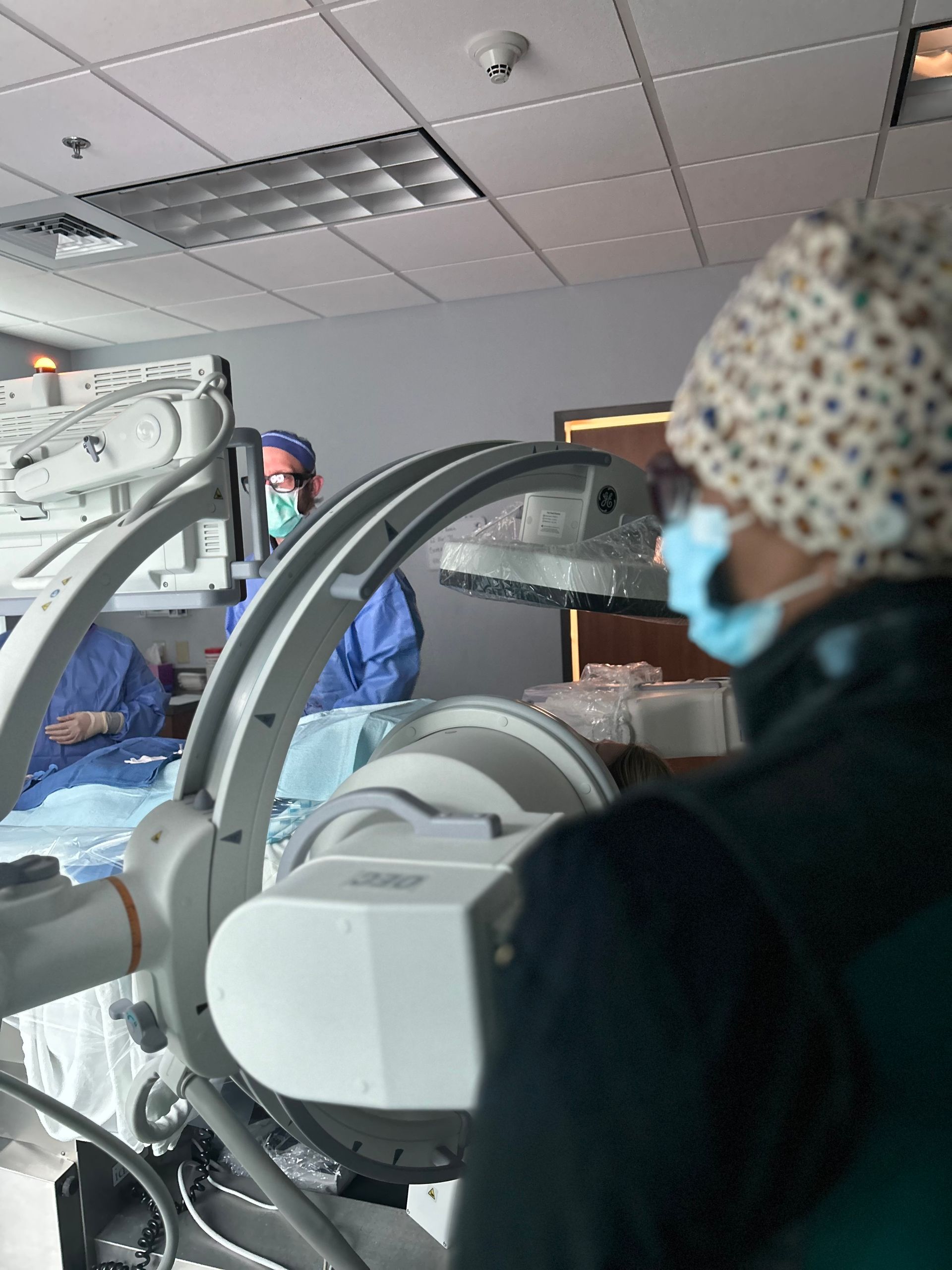
Instead of removing the fibroids or the uterus, UFE targets the blood supply that allows the fibroids to grow. The procedure is performed by an interventional radiologist, a specialized physician trained in using advanced imaging to guide minimally invasive treatments.
The UFE Procedure Explained
During a UFE procedure, you are given conscious sedation to ensure you are comfortable and relaxed, avoiding the risks associated with general anesthesia. The interventional radiologist makes a tiny puncture, typically in the groin or, increasingly, the wrist, to access the arterial system.
Using real time fluoroscopic imaging, a slender tube called a catheter is carefully guided through the blood vessels to the uterine arteries that supply blood to the fibroids. Once the catheter is in the precise location, tiny, biocompatible particles are released into the targeted blood vessels. These particles block the blood flow to the fibroids, depriving them of oxygen and nutrients. Without a blood supply, the fibroids gradually shrink and soften over time, leading to a significant reduction in symptoms and a dramatic improvement in quality of life.
Comparing Recovery Times and Outcomes
When comparing Uterine Fibroid Embolization to a hysterectomy, the differences in recovery and hospital stay are substantial. These factors play a crucial role in a patient's decision making process, especially for women who need to return to their families, careers, and daily routines as quickly as possible.
Clinical studies have consistently demonstrated the recovery advantages of UFE. A landmark randomized trial published in the New England Journal of Medicine compared UFE directly with surgery for symptomatic uterine fibroids. The study found that patients who underwent embolization had a significantly shorter median duration of hospitalization compared to the surgical group, one day versus five days.
Furthermore, the time required before returning to work was significantly shorter for the UFE group. Most women who undergo UFE can expect to return to their normal activities within one to two weeks. In contrast, recovery from a traditional abdominal hysterectomy typically requires four to six weeks of restricted activity and healing.
Regarding long term effectiveness, UFE has proven to be a highly successful alternative to surgery. Long term outcome data from the randomized EMMY trial showed that approximately two thirds of patients who underwent UFE successfully avoided a hysterectomy over a ten year period. Both the UFE and surgical groups reported equal, stable improvements in their overall quality of life over that decade.
| Feature | Uterine Fibroid Embolization | Hysterectomy |
|---|---|---|
| Invasiveness | Minimally invasive (tiny puncture) | Major surgery (incisions) |
| Anesthesia | Conscious sedation | General anesthesia |
| Hospital Stay | Typically outpatient or overnight | Several days |
| Recovery Time | 1 to 2 weeks | 4 to 6 weeks |
| Uterus Preservation | Yes | No |
| Effect on Fertility | Possible, but requires consultation | Permanent infertility |
Choosing the Right Fibroid Treatment
Deciding between Uterine Fibroid Embolization and a hysterectomy is a deeply personal choice that depends on your unique medical history, the severity of your symptoms, and your future family planning goals.
A hysterectomy may be the appropriate recommendation for women with suspected gynecologic cancer, extremely large fibroids that are compressing other organs, or those who desire a definitive, zero percent chance of fibroid recurrence.
However, for the vast majority of women suffering from symptomatic fibroids, UFE offers a compelling alternative. It provides effective symptom relief without the extended downtime, surgical risks, and permanent anatomical changes associated with removing the uterus. If you are seeking a treatment that allows you to preserve your uterus and get back to your life quickly, UFE is a highly viable option supported by extensive clinical research.
At Murfreesboro Vascular & Interventional, our team is dedicated to providing advanced, minimally invasive care. We encourage women to explore all their options before committing to major surgery. To learn more about how our interventional radiology treatments can help you achieve fibroid freedom, we invite you to schedule a consultation with our specialists.