
Managing Compression Fractures with Kyphoplasty

December 13, 2024

Managing Compression Fractures with Kyphoplasty: A Quick, In-Office Solution
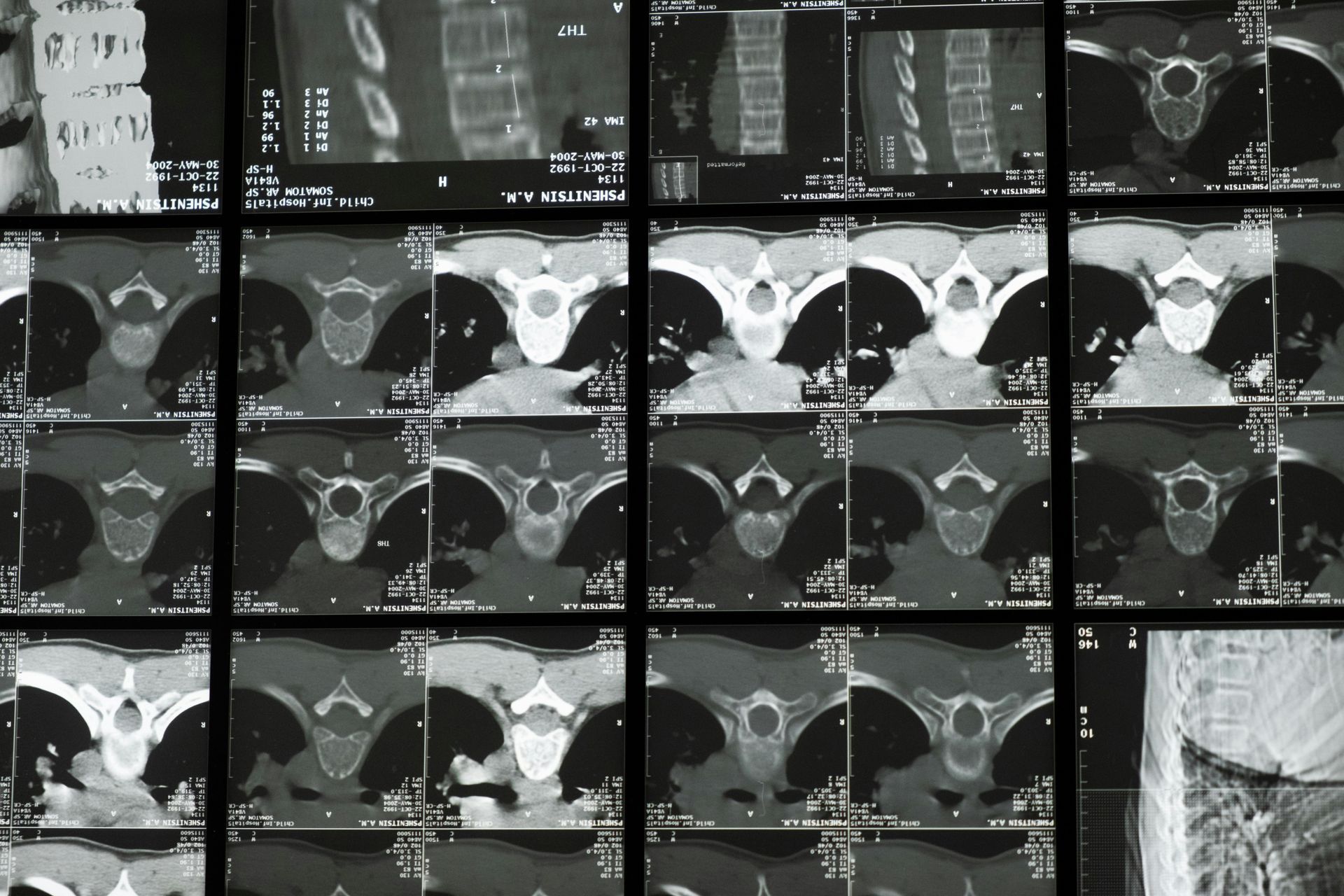
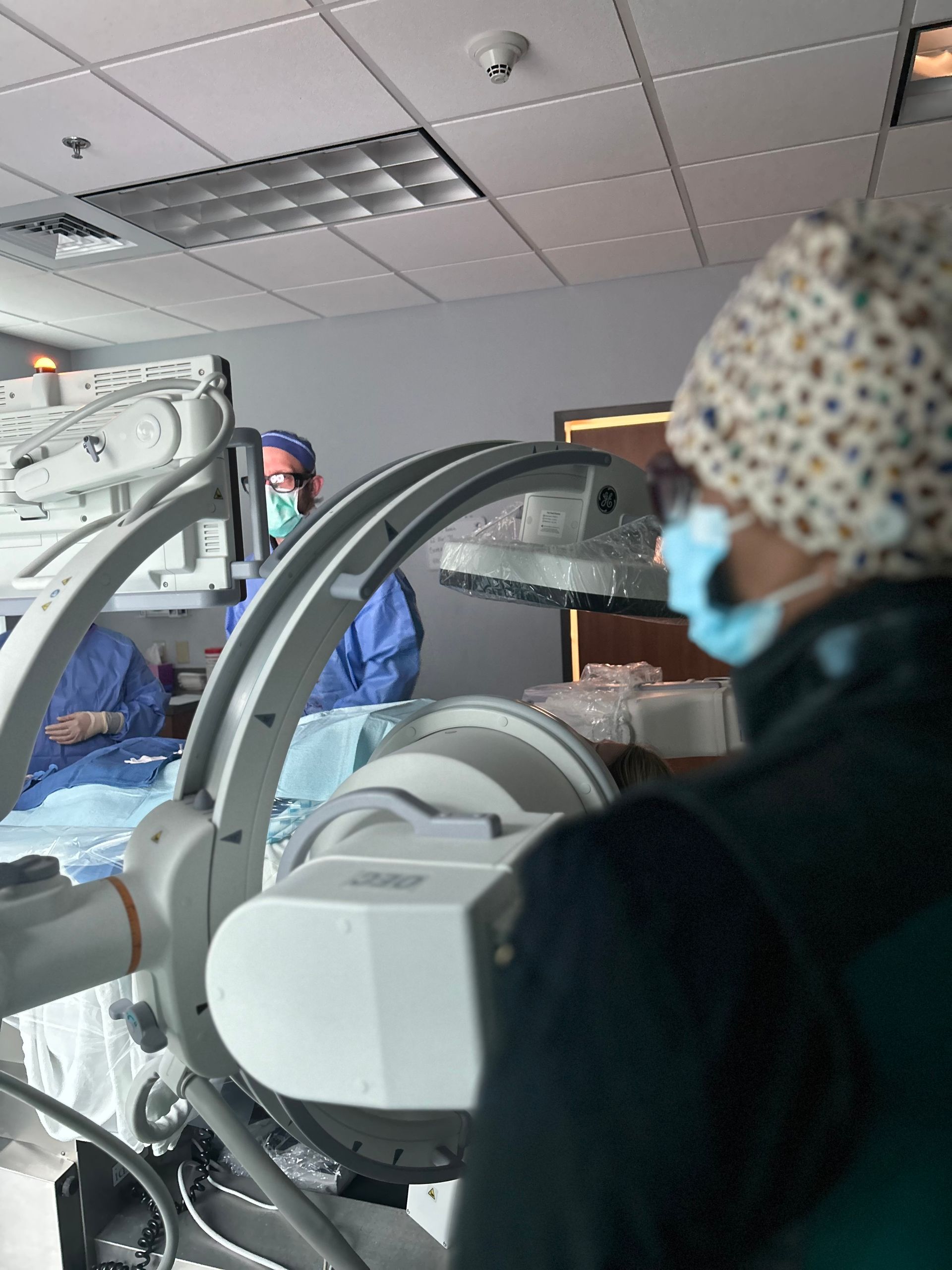
A compression fracture in the spine can be incredibly painful, affecting everything from movement to daily activities. Thankfully, there’s a minimally invasive solution that can help restore your spine’s stability and relieve pain quickly: kyphoplasty. This effective procedure can be done right in the outpatient office setting, offering a more personalized, comfortable experience and a faster path to recovery. Here’s a closer look at what compression fractures are, how kyphoplasty works, and what you can expect from an in-office outpatient procedure.


What is a Compression Fracture?

A compression fracture happens when the bones in the spine (vertebrae) weaken and collapse, usually due to conditions like osteoporosis or injury. This collapse can cause intense back pain, limited mobility, and posture changes, often leading to a forward hunch or rounding of the back. Over time, compression fractures can make even simple tasks challenging, but the right treatment can provide lasting relief.


Kyphoplasty: A Quick, In-Office Solution

Kyphoplasty is a minimally invasive procedure that’s designed to stabilize the spine, relieve pain, and, in many cases, restore height to the affected vertebrae. It’s a popular option for patients who want effective relief without the need for an extended hospital stay. In fact, many kyphoplasty procedures can be done right in an outpatient office setting, meaning you’ll experience the benefits of advanced care in a comfortable, familiar environment.


How Kyphoplasty Works

The kyphoplasty procedure involves creating a small pathway to the affected vertebra and inserting a balloon-like device. This device is carefully inflated to create a small cavity within the collapsed vertebra, gently lifting it and restoring its shape. Once the balloon is removed, the cavity is filled with a special bone cement to stabilize the vertebra and keep it in its restored shape.

  • Personalized Experience: In an office setting, the procedure is tailored specifically to your needs, with personalized care from start to finish.
  • Minimally Invasive: The incisions are small, reducing scarring and recovery time.
  • Quick and Effective: Kyphoplasty can relieve pain and improve mobility within days, giving you the freedom to get back to your daily activities faster.


What to Expect During Your In-Office Kyphoplasty Procedure

A huge advantage of having kyphoplasty in an outpatient setting is that it’s both efficient and comfortable. Here’s a quick rundown of what the experience might look like:

  1. Before the Procedure: Your provider will walk you through every step, answering any questions you have. The team will make sure you’re comfortable and prepared, often using moderate "Twilight" sedation to keep you relaxed throughout the procedure.
  2. The Procedure Itself: Kyphoplasty typically takes around 30 to 45 minutes per vertebra, depending on the number of fractures being treated. During the procedure, you’ll be lying on your stomach, and the doctor will make a tiny incision over the area of the fracture to insert the balloon. This entire process is done with minimal discomfort.
  3. Immediate Results: Once the cement is set, the vertebra is stabilized, and many patients report feeling immediate relief from pain. You’ll likely be able to stand up and move around shortly after the procedure.
  4. Aftercare and Recovery: One of the best parts about kyphoplasty is the quick recovery. Most patients can go home within a couple of hours and are encouraged to start gentle movement as soon as they feel ready. Many people feel significant pain relief within a day or two, and any discomfort from the procedure itself typically subsides within a few days.


Benefits of In-Office Kyphoplasty

Choosing an outpatient setting for kyphoplasty offers several perks:

  • Faster Recovery: Office-based kyphoplasty allows for quicker in-and-out times, with most patients back to daily routines within days.
  • Reduced Anxiety: Having the procedure done in a familiar, comfortable setting helps ease nerves, especially for those who find hospitals intimidating.
  • Personalized, Attentive Care: The outpatient setting fosters one-on-one interactions with the medical team, ensuring you feel supported and informed throughout the process.


Is Kyphoplasty Right for You?

If you’ve been struggling with pain from a spinal compression fracture, kyphoplasty could be the solution that gets you back on your feet. It’s minimally invasive, quick, and provides lasting pain relief without the long recovery times of more extensive surgeries. By choosing to undergo the procedure in an outpatient setting, you get the same high-quality care with a faster, more comfortable experience overall.

Compression fractures don’t have to mean the end of mobility or freedom. With kyphoplasty, you can take control of your pain, regain your quality of life, and experience the relief that lets you get back to what you love.


By OBL Marketing May 13, 2026
Benign prostatic hyperplasia, commonly known as an enlarged prostate, is a condition that affects a significant portion of the male population as they age. In fact, research published in the Journal of Clinical Medicine indicates that BPH symptoms affect approximately 80 percent of men by 70 years of age. As the prostate gland grows, it can constrict the urethra, leading to uncomfortable and sometimes debilitating lower urinary tract symptoms. These symptoms can include increased urinary frequency, urgency, a weak stream, and the feeling of incomplete bladder emptying. For many years, the standard approach to treating an enlarged prostate that did not respond to medication was surgery, specifically a procedure known as transurethral resection of the prostate (TURP). While TURP is effective, it is a major surgery that requires general anesthesia, a hospital stay, and a lengthy recovery period. Today, we offer a modern, minimally invasive alternative called Prostate Artery Embolization (PAE). This innovative procedure provides significant relief from BPH symptoms without the need for traditional surgery. Understanding Prostate Artery Embolization Prostate Artery Embolization is a cutting edge, minimally invasive procedure performed by our highly trained interventional radiologists. Instead of cutting away prostate tissue through the urethra, PAE tackles the problem by reducing the blood supply to the prostate gland itself. During the procedure, our interventional radiologist makes a tiny pinhole puncture in the artery of the wrist or groin. Using advanced imaging guidance, a small, flexible tube called a catheter is carefully navigated through the blood vessels until it reaches the specific arteries that supply blood to the prostate. Once the catheter is in the correct position, we inject tiny, round microspheres into these blood vessels. These particles block the blood flow to the prostate tissue. By restricting the blood supply, the prostate gland is essentially starved of the nutrients it needs to maintain its enlarged size. Over the days and weeks following the procedure, the prostate begins to shrink and soften. As the gland decreases in size, the pressure on the urethra is relieved, allowing urine to flow more freely and significantly improving lower urinary tract symptoms. The Benefits of Choosing PAE When considering treatments for an enlarged prostate, it is important to weigh the benefits of each option. PAE offers several distinct advantages over traditional surgical methods, making it an appealing choice for many men. First and foremost, PAE is a minimally invasive outpatient procedure. This means there is no need for a hospital stay. Patients can typically return home the very same day. Furthermore, the procedure does not require general anesthesia, which eliminates the risks and grogginess associated with being put to sleep. Instead, patients receive moderate sedation to keep them comfortable and relaxed throughout the process. Another major benefit of PAE is the significantly reduced risk of sexual side effects. Traditional surgeries like TURP carry a known risk of causing retrograde ejaculation or erectile dysfunction. Because PAE does not involve cutting or removing tissue near the nerves responsible for sexual function, the risk of these side effects is remarkably low. A study in the International Journal of Clinical Practice reported promising results for PAE in preserving antegrade ejaculation and erectile function. This makes PAE an excellent option for men who wish to preserve their sexual health while effectively treating their BPH symptoms. Additionally, the recovery time for PAE is much faster than that of traditional surgery. Most men can resume their normal, light activities within a few days to a week, compared to the several weeks of recovery often required after a TURP procedure. PAE vs TURP: A Treatment Comparison When exploring options for enlarged prostate treatment, it is natural to compare the newer PAE procedure with the long standing gold standard, TURP. Both procedures aim to relieve the symptoms of BPH, but they go about it in very different ways. TURP involves inserting a surgical instrument through the urethra to physically cut away and remove the excess prostate tissue that is blocking urine flow. It is a highly effective procedure with a long track record of success. However, as a more invasive surgery, it requires general or spinal anesthesia and usually involves a hospital stay of one to three days. The recovery period can take anywhere from two to six weeks, during which patients may experience bleeding and discomfort. Furthermore, TURP carries a higher risk of complications, including urinary incontinence and sexual dysfunction. In fact, research shows the reported incidence of retrograde ejaculation after TURP is 50 to 70 percent. In contrast, PAE is performed entirely through the blood vessels, leaving the urethra untouched. There is no cutting, no tissue removal, and no need for a catheter to be left in the penis during recovery. The procedure is performed under conscious sedation, and patients go home the same day. While TURP may offer slightly more immediate relief of symptoms due to the physical removal of tissue, PAE provides a gradual but significant improvement as the prostate shrinks over time. A randomized controlled trial published in The BMJ concluded that PAE is associated with fewer complications than TURP. Furthermore, clinical studies have shown that PAE has a high success rate, with clinical success achieved in 93 percent of patients at 3 months. Ultimately, the choice between PAE and TURP depends on the individual patient's medical history, the size of their prostate, and their personal preferences regarding recovery time and potential side effects. Our team of specialists is dedicated to helping each patient make an informed decision that best suits their unique needs. What to Expect During Recovery Recovery from Prostate Artery Embolization is generally smooth and straightforward. Because it is an outpatient procedure, you will be able to recover in the comfort of your own home. In the days immediately following the procedure, it is common to experience what is known as "post PAE syndrome." This can include mild symptoms such as nausea, a low grade fever, pelvic discomfort, or frequent and sometimes painful urination. These symptoms are a normal part of the healing process and typically resolve on their own within a few days. We will provide you with specific instructions and medications to help manage any discomfort. We advise our patients to take it easy for the first few days after the procedure. You should avoid heavy lifting, strenuous exercise, and any activities that put undue stress on the puncture site in your wrist or groin. Most men find that they can return to work and resume their normal daily routines within a week. As the weeks progress, you will begin to notice a gradual improvement in your urinary symptoms. The prostate will continue to shrink, and the pressure on your urethra will lessen. We will schedule follow up appointments to monitor your progress and ensure that you are achieving the desired results. Is PAE Right for You? If you are experiencing the frustrating symptoms of an enlarged prostate and are looking for a treatment option that avoids the risks and lengthy recovery of traditional surgery, Prostate Artery Embolization may be the ideal solution. It is particularly well suited for men who have very large prostates, those who are not good candidates for surgery due to other health conditions, or those who simply prefer a less invasive approach. At Murfreesboro Vascular and Interventional, our board certified interventional radiologists have extensive experience in performing PAE. We are committed to providing our patients with the highest quality of care using the most advanced, minimally invasive techniques available. To determine if you are a candidate for PAE, we will conduct a comprehensive evaluation, which may include a review of your medical history, a physical exam, and imaging studies such as an ultrasound or MRI of the prostate. We will take the time to discuss your symptoms, answer all of your questions, and help you decide if PAE is the right path forward for you. Do not let an enlarged prostate control your life any longer. Contact us today to schedule a consultation and learn more about how Prostate Artery Embolization in Nashville can help you find relief and get back to enjoying your life.
By OBL Marketing April 30, 2026
Explore the differences between Uterine Fibroid Embolization and hysterectomy. Learn about recovery times, effectiveness, and non surgical fibroid treatments.
By Brett Donegan May 2, 2025
Prioritizing Vascular Health for Women
By Brett Donegan April 9, 2025
Consider Genicular Artery Embolization Before Knee Replacement
By Brett Donegan March 7, 2025
A Modern Solution for Women’s Health
By Brett Donegan February 18, 2025
Peripheral Artery Disease (PAD): What You Need to Know
By Brett Donegan January 3, 2025
Why Modern Treatments Like VenaSeal and RFA Have Replaced Vein Stripping
By Brett Donegan December 20, 2024
Enhancing Patient Care and Convenience
By Brett Donegan December 6, 2024
Understanding Cosmetic Vein Procedures: Sclerotherapy for Leg Veins
By Brett Donegan November 29, 2024
Understanding Arterial Disease: Causes, Symptoms, and Treatment Options