

Shoulder Artery Embolization (SAE) Treatment in Nashville & Murfreesboro
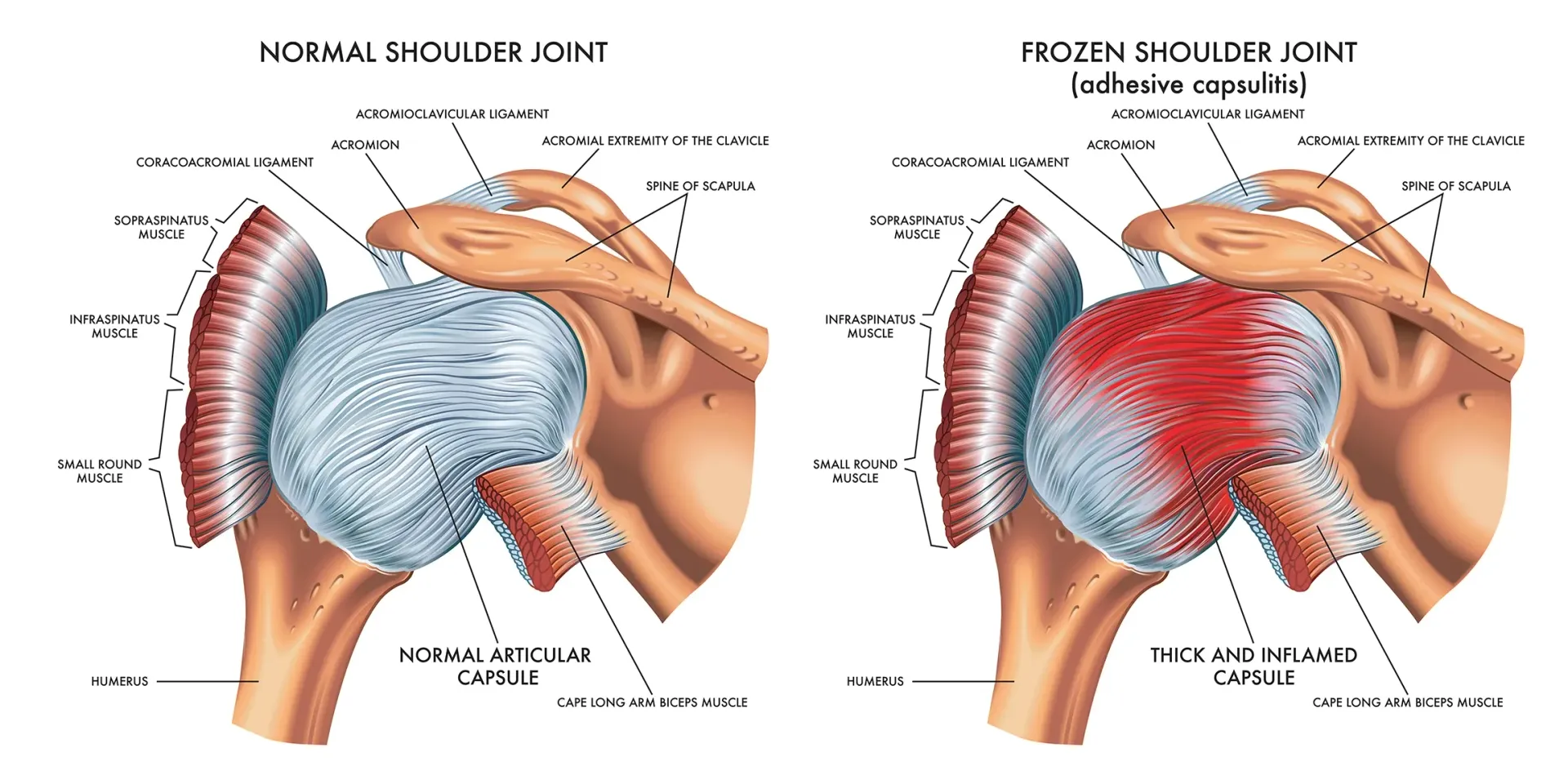
A Minimally Invasive Option for Chronic Shoulder Pain
Shoulder Artery Embolization (SAE) is a minimally invasive treatment option for patients experiencing chronic shoulder pain caused by inflammation, osteoarthritis, rotator cuff disease, or adhesive capsulitis (frozen shoulder). SAE reduces abnormal blood flow to inflamed tissues in the shoulder, helping decrease pain and improve function without surgery.
SAE is an excellent option for patients who have not found lasting relief from conservative treatments such as physical therapy, medications, or injections and want to avoid shoulder surgery. A consultation with our radiologists can help determine if SAE is appropriate for your specific condition.
What To Expect
Signs & Symptoms of Chronic Shoulder Pain
- Persistent shoulder pain during movement or rest
- Limited range of motion or stiffness
- Pain when lifting or reaching overhead
- Weakness in the shoulder or arm
- Night pain that interferes with sleep
- Pain radiating into the upper arm
- Difficulty performing daily activities
Initial Consultation
During your initial visit, you will meet with our radiologist to discuss your shoulder pain, medical history, and previous treatments. Imaging studies such as MRI or X-rays may be reviewed or ordered to evaluate inflammation, tendon injury, or degenerative changes contributing to your symptoms.
This consultation is an opportunity to explore Shoulder Artery Embolization as a minimally invasive treatment option and to ensure you feel informed and confident in your care plan.
Treatment Plan
Shoulder Artery Embolization (SAE) is performed in-office using advanced imaging to guide a small catheter into the arteries supplying inflamed tissues around the shoulder joint. Tiny embolic particles are then delivered to selectively reduce abnormal blood flow, helping to decrease inflammation and pain.
The procedure typically takes 1–2 hours and is performed using local anesthesia with mild sedation. Because SAE does not involve incisions or tissue removal, recovery is faster and less painful compared to traditional shoulder surgery. Many patients begin noticing improvement within weeks, with continued relief over several months
Post Treatment
Patients typically go home approximately 4 hours after the procedure. Mild soreness or bruising at the catheter insertion site is common, along with temporary shoulder discomfort as inflammation subsides.
Post-procedure care includes:
- Rest for the first 24–48 hours
- Avoid strenuous shoulder activity for several days
- Keep the insertion site clean and dry
- Monitor for signs of infection, such as redness or swelling
A nurse will contact you the day after the procedure to check in. Follow-up visits are usually scheduled at 2–4 weeks, 3–6 months, and 1 year to assess pain relief and functional improvement.
SAE Facts
- Many patients experience significant pain reduction and improved shoulder function following SAE.
- SAE targets inflammation rather than masking symptoms.
- The procedure preserves the shoulder joint and avoids surgery.
- Most patients return to normal activity faster than with surgical options.
- Early clinical studies show promising long-term results with a low risk of complications.