

Prostate Artery Embolization in Nashville & Murfreesboro
Prostate Artery Embolization in Nashville & Murfreesboro
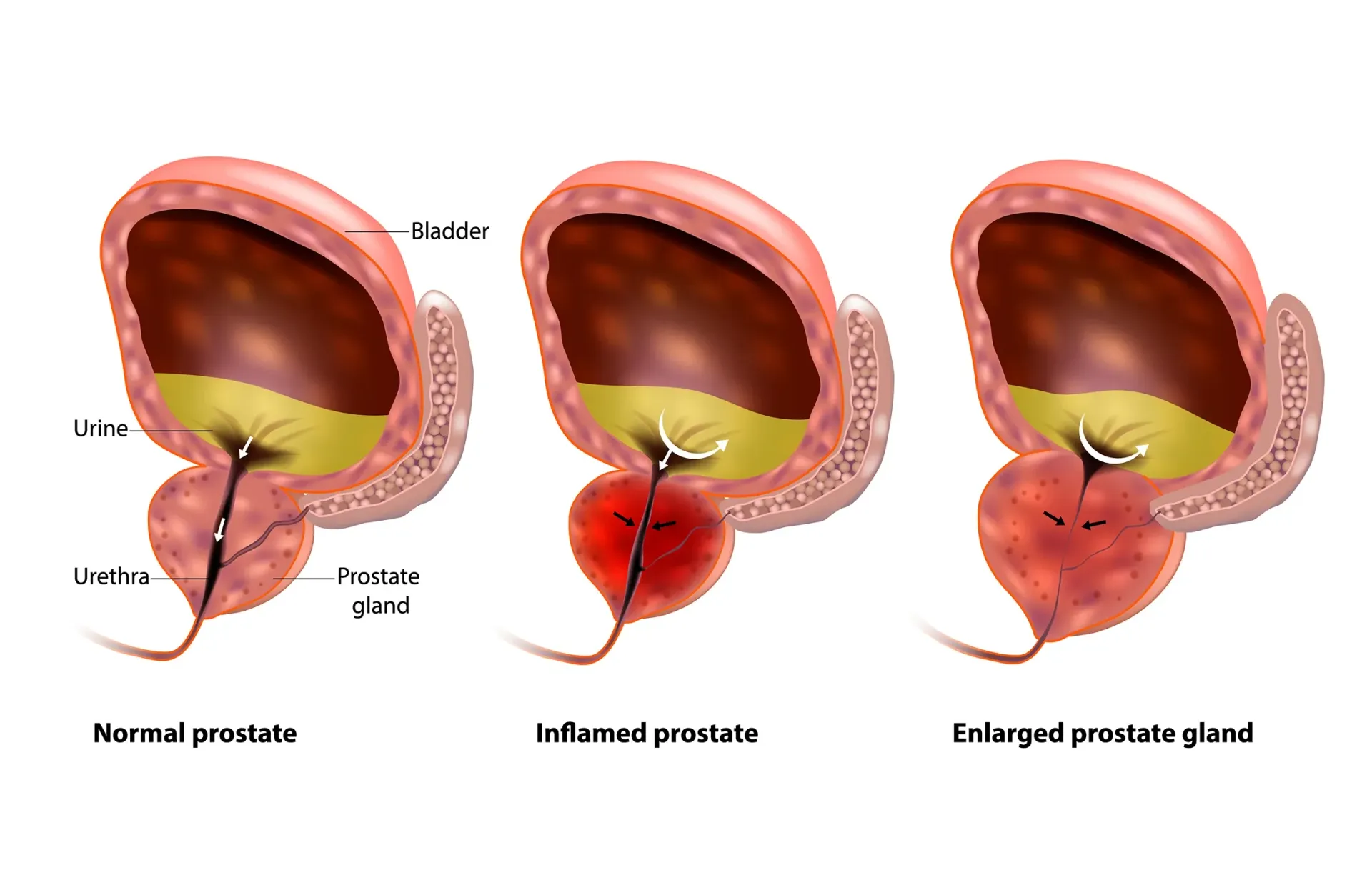
Prostatic Artery Embolization (PAE) is a minimally invasive treatment option for men experiencing symptoms of Benign Prostatic Hyperplasia (BPH), commonly known as an enlarged prostate. Unlike traditional surgical procedures, PAE does not require anesthesia, cutting, or removal of prostate tissue. Instead, it works by reducing blood flow to the enlarged prostate, causing it to shrink and easing urinary symptoms.
PAE is an excellent alternative for men who prefer to avoid surgery, want a quicker recovery, or may not be ideal candidates for more invasive procedures. If you experience urinary frequency, urgency, weak flow, or nighttime urination, schedule a consultation with our radiologists to learn if PAE is the right option for you.
What To Expect
Signs & Symptoms of an Enlarged Prostate (BPH)
- Frequent need to urinate, especially at night (nocturia)
- Difficulty starting urination
- Weak or interrupted urinary stream
- Feeling unable to fully empty the bladder
- Urinary urgency
- Dribbling at the end of urination
- Increased urinary tract infections
- Pelvic or lower abdominal pressure
Initial Consultation
During your initial visit, you will meet with our radiologist to discuss your urinary symptoms, overall health, and treatment goals. A review of your medical records, prior imaging, or prostate-specific testing may be performed.
Your consultation is an opportunity to explore PAE as a minimally invasive alternative to traditional BPH treatments such as TURP or prostate surgery. Our team will guide you through every step to ensure you feel confident and well-informed about your care.
Treatment Plan
Prostatic Artery Embolization (PAE) is performed in-office using advanced imaging to guide a tiny catheter into the arteries supplying the prostate. Once positioned, microscopic embolic particles are released to reduce blood flow to targeted areas of the prostate. This causes the prostate to shrink gradually, relieving pressure on the urethra and improving urinary flow.
PAE typically takes 1–2 hours and requires only local anesthetic and mild sedation. Most men experience noticeable symptom relief within days to weeks, with continued improvement over several months. PAE preserves sexual function and offers a quicker, less painful recovery than traditional surgery.
Treatment Plan
Most patients return home within 4 hours of their procedure. Mild discomfort, pelvic pressure, or urinary frequency may occur temporarily in the first few days. Some men may experience low-grade fever or fatigue as the prostate begins to shrink — this is normal and resolves with time.
To support healing:
- Rest for the first 24–48 hours
- Avoid strenuous activity for several days
- Keep the catheter insertion site clean and dry
- Monitor for signs of infection (redness, warmth, swelling)
A nurse will call the day after your procedure to check in. Follow-up appointments are typically scheduled at 2–4 weeks, 3–6 months, and 1 year to monitor progress and symptom relief.
PAE Facts
- Studies show that over 80–90% of men experience significant improvement in urinary symptoms after PAE.
- PAE preserves sexual function, with a very low risk of erectile dysfunction compared to surgical alternatives.
- Symptom relief from PAE can last several years, with many patients avoiding or delaying surgery altogether.
- PAE is ideal for men who prefer a non-surgical, outpatient solution for BPH.
- This procedure has been performed worldwide for more than a decade and is supported by multiple clinical studies for safety and effectiveness.