

Hip Arthritis Treatment in Nashville & Murfreesboro
A Minimally Invasive Option for Chronic Hip Pain
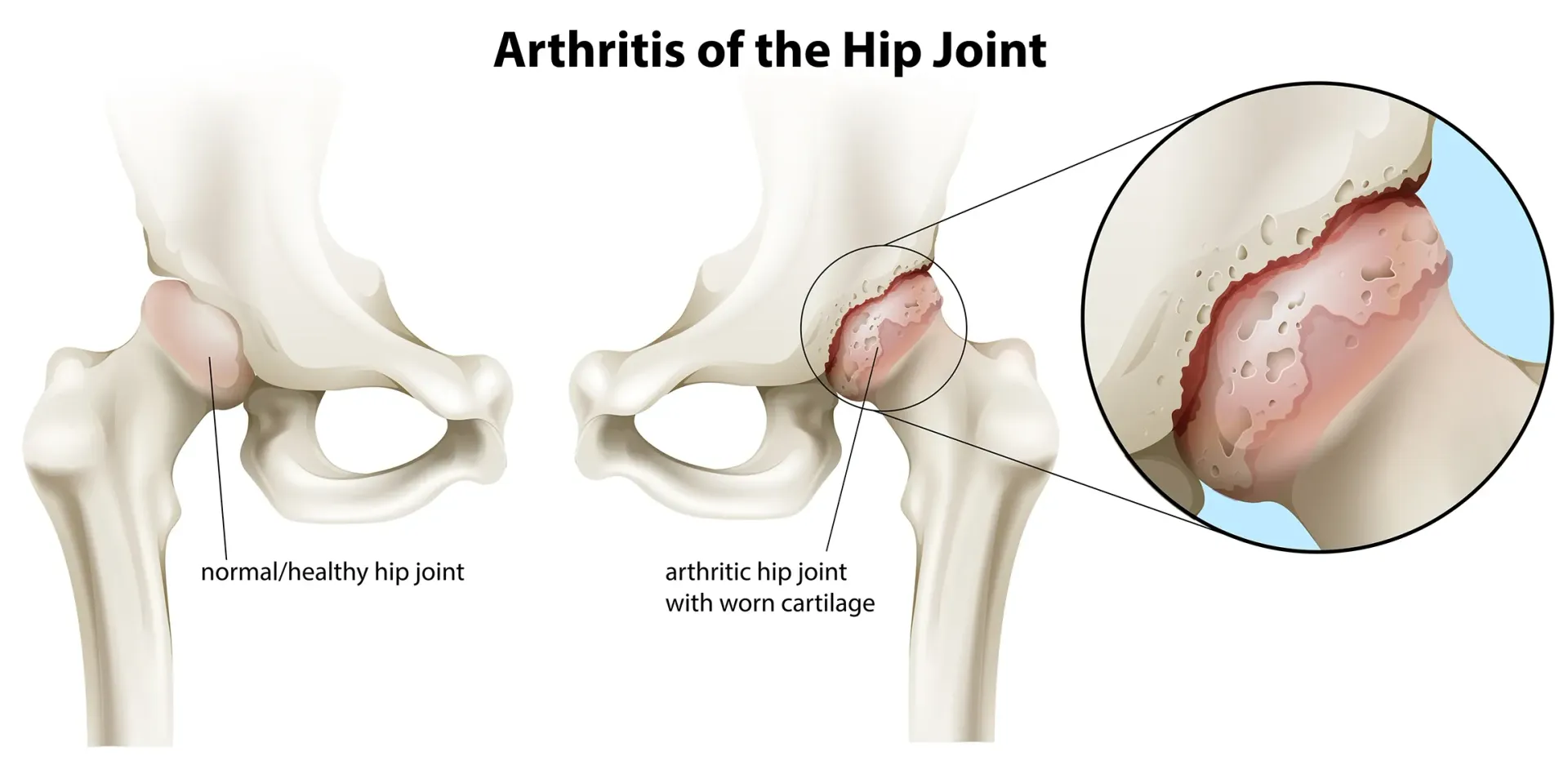
Hip Embolization is an innovative, minimally invasive treatment option for patients suffering from chronic hip pain, medically known as Greater Trochanteric Pain Syndrome (GTPS) associated with hip osteoarthritis. This condition is often caused by inflammation, osteoarthritis, or other degenerative conditions affecting the hip joint. Hip Embolization works by reducing abnormal blood flow to inflamed tissues around the hip joint, helping decrease pain and improve mobility without surgery.
This procedure is ideal for patients who have not found lasting relief with conservative treatments such as physical therapy, medications, or injections and who want to avoid joint replacement surgery. A consultation with our radiologists can help determine if Hip Embolization is an appropriate option for your individual needs. For more information on the field of interventional radiology, please visit our dedicated page.
What To Expect
Signs & Symptoms of Chronic Hip Pain
- Persistent hip pain during walking or standing
- Stiffness or reduced range of motion in the hip
- Pain that worsens with activity
- Discomfort while sitting or lying on the affected side
- Groin, thigh, or buttock pain
- Difficulty performing daily activities
- Pain that interferes with sleep
Initial Consultation
During your initial visit, you will meet with our radiologist to discuss your hip pain, medical history, and previous treatments. Imaging studies such as MRI or X-rays may be reviewed or ordered to confirm the diagnosis and identify inflammation or abnormal blood flow contributing to your symptoms. This consultation allows you to explore Hip Embolization as a minimally invasive treatment option and ensures you feel informed and confident in your care plan.
Treatment Plan
During your initial visit, you will meet with our radiologist to discuss your hip pain, medical history, and previous treatments. Imaging studies such as MRI or X-rays may be reviewed or ordered to confirm the diagnosis and identify inflammation or abnormal blood flow contributing to your symptoms. This consultation allows you to explore Hip Embolization as a minimally invasive treatment option and ensures you feel informed and confident in your care plan.
Because Hip Embolization does not involve incisions or removal of bone or joint tissue, recovery is significantly faster compared to surgical treatments. Research published in Cardiovascular and Interventional Radiology demonstrates that many patients begin experiencing symptom improvement within weeks, with continued relief over several months. This approach is similar to other minimally invasive treatments we offer for joint pain, such as our Knee Pain treatment options.
Post Treatment
Patients can go home approximately four hours after the procedure. Mild soreness or bruising at the catheter insertion site is common, along with temporary discomfort around the hip as inflammation begins to subside. Post-procedure care includes rest for the first twenty-four to forty-eight hours, avoiding strenuous activity for several days, keeping the insertion site clean and dry, and monitoring for signs of infection such as redness, swelling, or increased pain.
A nurse will contact you the day after your procedure to check in on your recovery. Follow-up appointments are typically scheduled at two to four weeks, three to six months, and one year to monitor progress and pain relief.
Hip Embolization Facts
Many patients experience significant pain reduction and improved mobility after Hip Embolization. A study published in Cardiovascular and Interventional Radiology found that patients experienced a statistically significant decrease in pain scores, with the WOMAC Index decreasing from seventy-seven to twenty-seven points and VAS scores dropping from ten to two following the procedure.
Hip Embolization targets the underlying inflammation contributing to chronic hip pain rather than masking symptoms. The procedure preserves the hip joint and avoids surgical intervention, allowing most patients to return to normal activities faster than with traditional surgery. Early studies show promising long-term pain relief with a low risk of complications. For more information on state-level health initiatives and resources, visit the Tennessee Department of Health.