

Plantar Fasciitis Embolization (PFE) in Murfreesboro
A Minimally Invasive Plantar Fasciitis Treatment
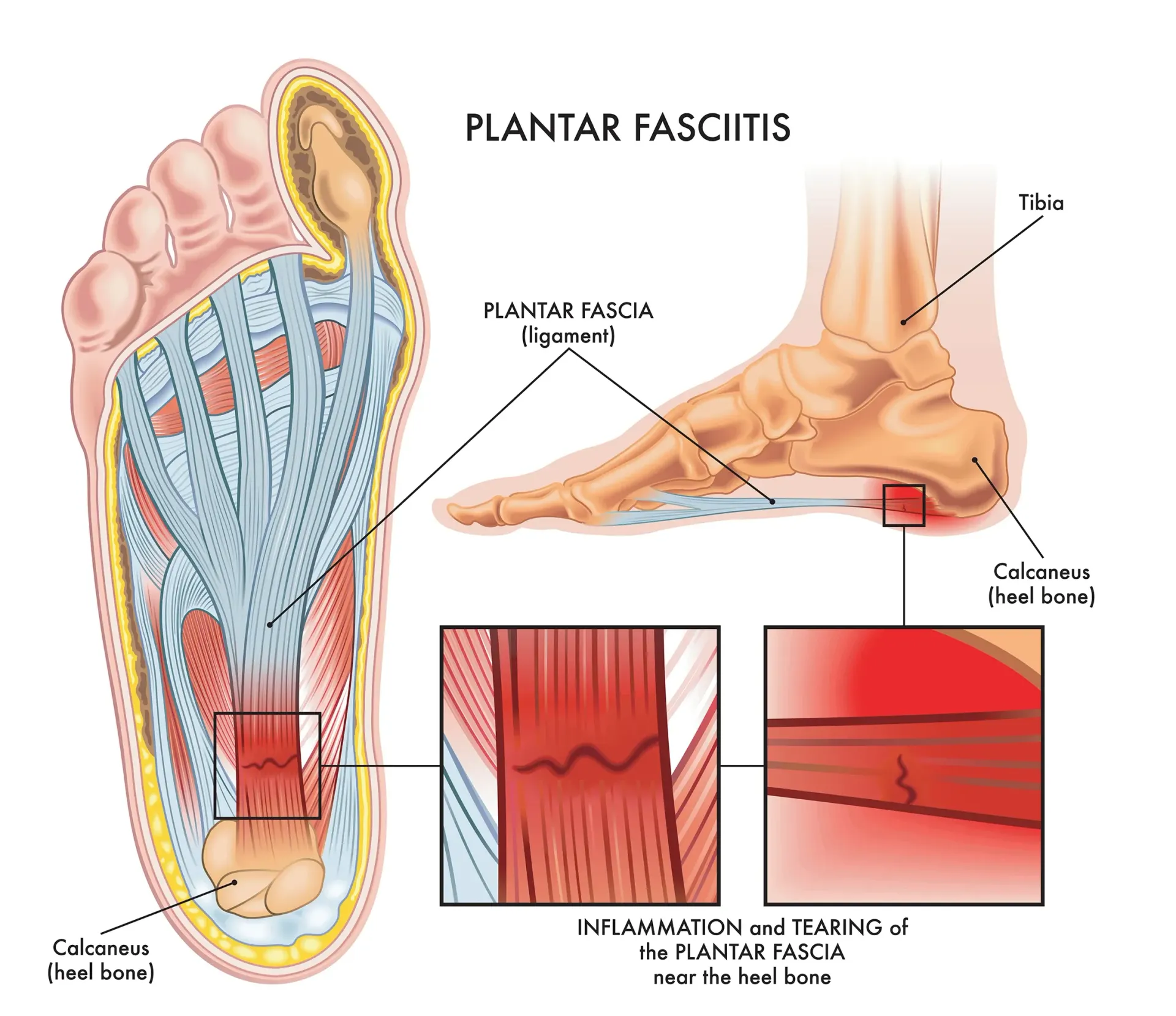
Plantar Fasciitis Embolization (PFE) is a minimally invasive treatment option for chronic plantar fasciitis—one of the most common causes of chronic heel pain. This innovative procedure reduces abnormal blood flow to inflamed areas in the plantar fascia, decreasing pain and promoting natural healing. PFE is especially beneficial for individuals who have not found relief through conservative treatments such as orthotics, physical therapy, steroid injections, or NSAIDs. If chronic heel pain is interfering with your daily activities, our radiologists can determine whether PFE is the right treatment option for you.
What To Expect
Signs & Symptoms of Plantar Fasciitis
- Sharp heel pain, especially with the first steps in the morning
- Pain after long periods of standing or activity
- Stiffness along the bottom of the foot
- Heel tenderness when pressure is applied
- Pain that worsens after exercise (not during)
- Difficulty walking long distances
- Swelling or thickening in the plantar fascia area
Initial Consultation
During your initial visit, you will meet with one of our radiologists to discuss your heel pain, medical history, and previous treatments. If imaging such as an MRI or ultrasound has not yet been performed, it may be ordered to confirm the diagnosis and evaluate the severity of inflammation. This consultation is designed to help determine whether Plantar Fasciitis
Embolization is an appropriate next step for your care—particularly if other treatments have failed to provide lasting relief.
Treatment Plan
Plantar Fasciitis Embolization (PFE) is performed in-office using advanced imaging to guide a catheter into the small arteries supplying the inflamed plantar fascia. Tiny embolic particles are then released to reduce excessive blood flow, helping decrease inflammation and improve symptoms. The procedure typically takes less than an hour and requires only local anesthesia with mild sedation. Because PFE does not require incisions or removal of tissue, recovery is faster and less painful compared to surgical options. Most patients begin to notice symptom improvement within a few weeks, with continued relief as healing progresses.
Post Treatment
Patients can go home approximately 2–4 hours after their procedure. Mild soreness, swelling, or bruising may occur near the insertion site or in the heel for several days. To support healing: Rest your foot for the first 24–48 hours Avoid strenuous activity for several days Keep the insertion site clean and dry Follow any recommended stretching or rehabilitation exercises Monitor for signs of infection, such as redness or swelling A nurse will call the day after the procedure to check in. Follow-up visits are generally scheduled at 2–4 weeks, 3 months, and 6–12 months to assess symptom improvement and healing.
SAE Facts
- Many patients experience significant or complete relief from heel pain within months of the procedure.
- PFE targets the root cause of chronic plantar fasciitis by reducing abnormal blood flow and inflammation.
- This minimally invasive treatment allows most patients to return to normal activity more quickly than after surgery.
- PFE is ideal for patients whose symptoms persist despite conservative therapies.
- Early studies suggest long-term success with a low rate of recurrence.